LomoChrome Classicolor 200 - The right amount of weird?
My experience shooting Lomography's new LomoChrome Classicolor 200
FILM REVIEWS


When I think of the colour negative film offerings from lomography, there are two extremes. On one hand you have the highly stylised creative films like Lomography Purple and Metropolis, and on the other you have their Colour Negative 100, 400 and 800 films - which many speculate are just Kodak emulsions sold at a premium.
It’s a dilemma all film shooters face - do you stick with reliable yet fairly vanilla colour negative film stocks, or do you chase a unique look with expired or creative films and sacrifice some of that dependability?
There’s never been a true goldilocks choice - a film that embodies just enough character and charm, but isn’t too unwieldy or unpredictable for everyday use. But with a few truly new colour negative film stocks entering the market over the last few years, it appears some are positioning themselves to fill this niche.
While Harman Phoenix II and Lucky Color 200 are examples of novel film stocks many consider to be in that vein, Lomo Classicolor 200 is the most forthcoming in its efforts to strike a balance of sensibility and vintage character. Lomography themselves describe the film as “capturing true-to-life colors and the timeless charm of analogue photography.”
Unlike the new film stocks from Lucky and Harman, Classicolor 200 is not manufactured in house by Lomography, nor are any of their other films. So it begs the question, what actually is Classicolor 200?
At first appearance, the rich reds and warm tones remind me of Kodak’s Aerocolor - a colour negative film produced for aerial photography. This film stock is often spooled into 35mm cartridges by third parties and sold to the consumer under various names, maybe Lomography was just hopping on the bandwagon?
But film boffins on forums seem to have reached consensus that Classicolor’s emulsion is in fact InovisCoat’s new ORWO NC200, the same used by KONO Color 200 and Optik Oldschool’s OptiColour 200. The release from Lomography is an exciting opportunity for this new film to be sold under the well known Lomography brand and distributed across their global supply chain. A 36 exposure roll of 35mm Classicolor 200 is priced at just $18 AUD from domestic stockists, about the same price as Kodak Gold 200.
So, keen to see if this new option from Lomography will scratch the itch I have for a just-quirky-enough colour negative film- I loaded a roll into my Minolta ⍺9.
The first thing that stood out to me about this film was the grain. The film supposedly has a medium grain structure, but I find it to be much more pronounced than any 200 speed colour negative film I have shot. The grain appears pretty harsh and is noisy in character, but perhaps the exaggerated grain might just enhance the nostalgic film look that so many photographers are looking for. You can really notice the prevalence of the grain against the sky in a number of the shots I took.
Colour wise, that’s where this film shines for me. Whether you send your film to a lab or scan at home, there's no denying that the digitalisation process plays a big part in the colour of your image. That’s not to say that the emulsion and base don’t give each filmstock a unique look. This film produces really bold reds and punchy blues that add some liveliness to your photos. It isn’t doing anything ridiculous with the colours, it's just dialing in a measured bit of character that can help your photos feel a bit more unique.
Classicolor 200’s ORWO NC200 emulsion yields much more vibrant and true-to-life colours in comparison to the older ORWO emulsions, which are incredibly desaturated. That’s not to say Classicolor 200 offers accurate colour reproduction to the standards of Portra or even consumer films like Ultramax, but it is a much more tame film compared to Lomography’s other more stylised offerings.
It handles sunlight really nicely, shots I took in the afternoon sun really bring out this film’s warm colour profile. Surprisingly though, I was just as pleased with the moody tones it created in over-cast and low-light conditions. I got enough dynamic range and exposure latitude to get usable images out of anything I threw at this film. It even handles flash well.
Shooting Lomo Classicolor 200 allowed me to try something different, and step outside of my usual routine of HP5 or Kodak Gold. And for that, I have got some really nice images. It’s great to see this new ORWO 200 film distributed and sold by Lomography at a decent price. It means that film photographers have another option amidst Kodak price rises and never ending supply chain instability
If colour accuracy and a clinical, fine-grain look is what you’re chasing, this film is not for you. But if you’re looking for a unique alternative to your usual colour negative film stocks - give LomoChrome Classicolor 200 a go.
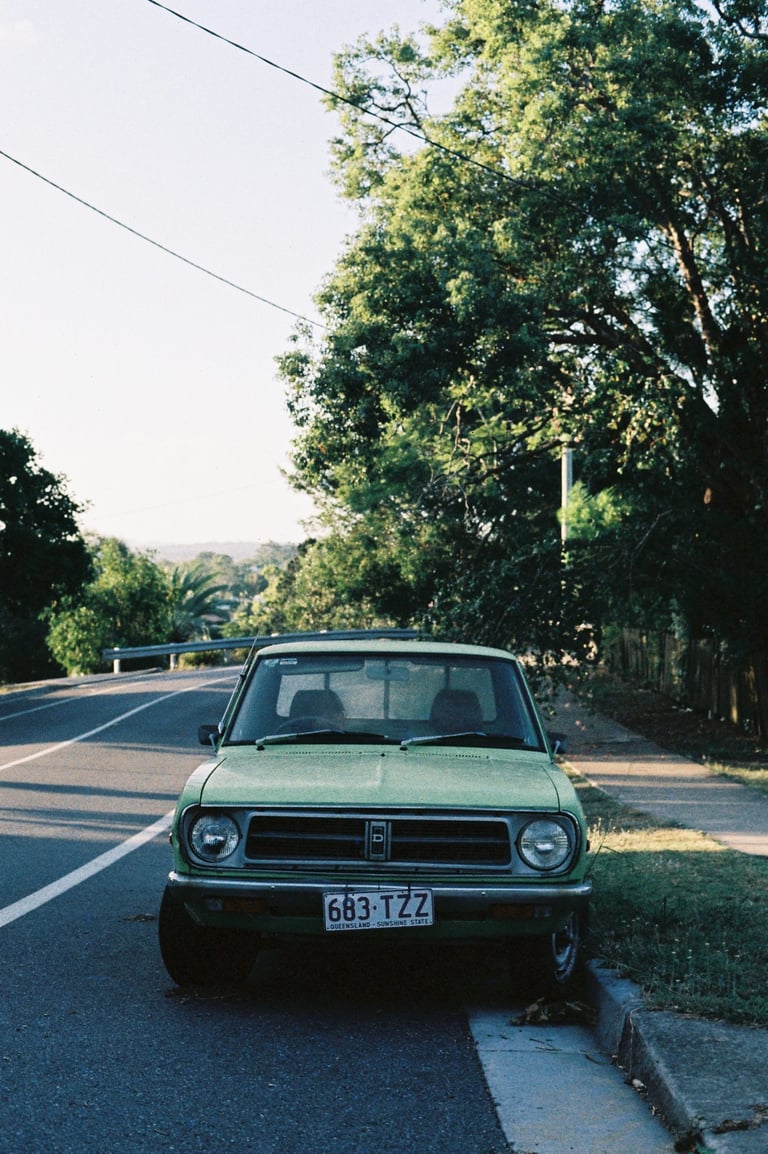




LomoChrome Classicolor 200
Minolta a9 + Minolta AF 50mm f1.4
Scan Fujifilm Frontier SP500

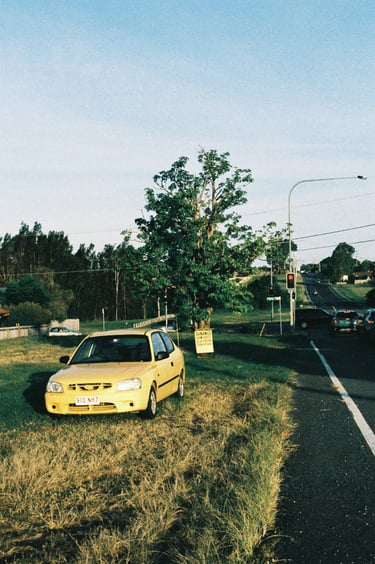
LomoChrome Classicolor 200
Minolta a9 + Minolta AF 50mm f1.4
Scan Fujifilm Frontier SP500
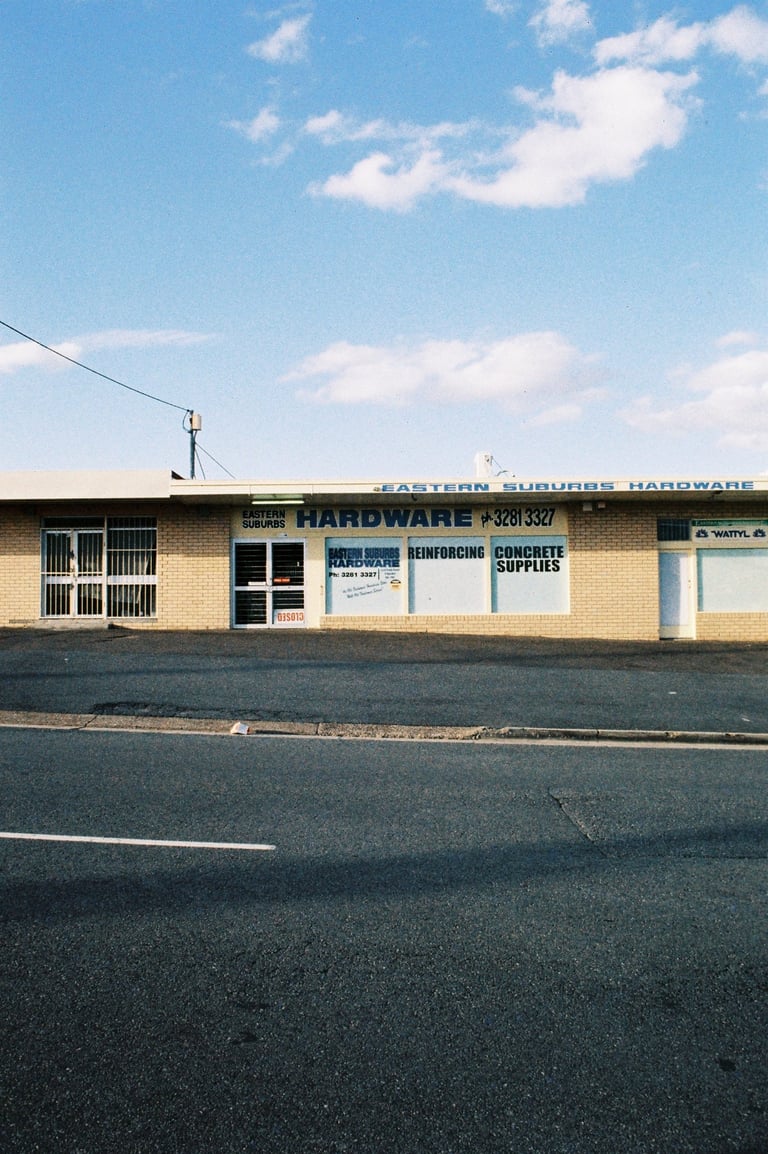
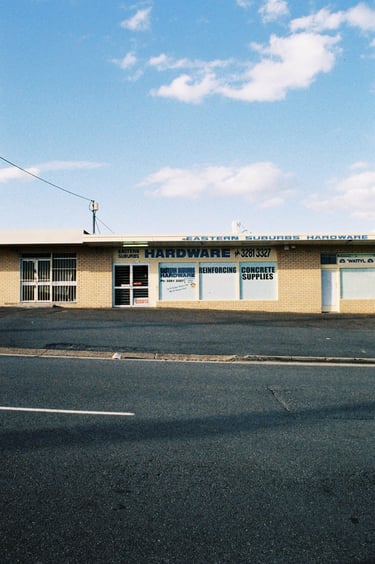
LomoChrome Classicolor 200
Minolta a9 + Minolta AF 50mm f1.4
Scan Fujifilm Frontier SP500
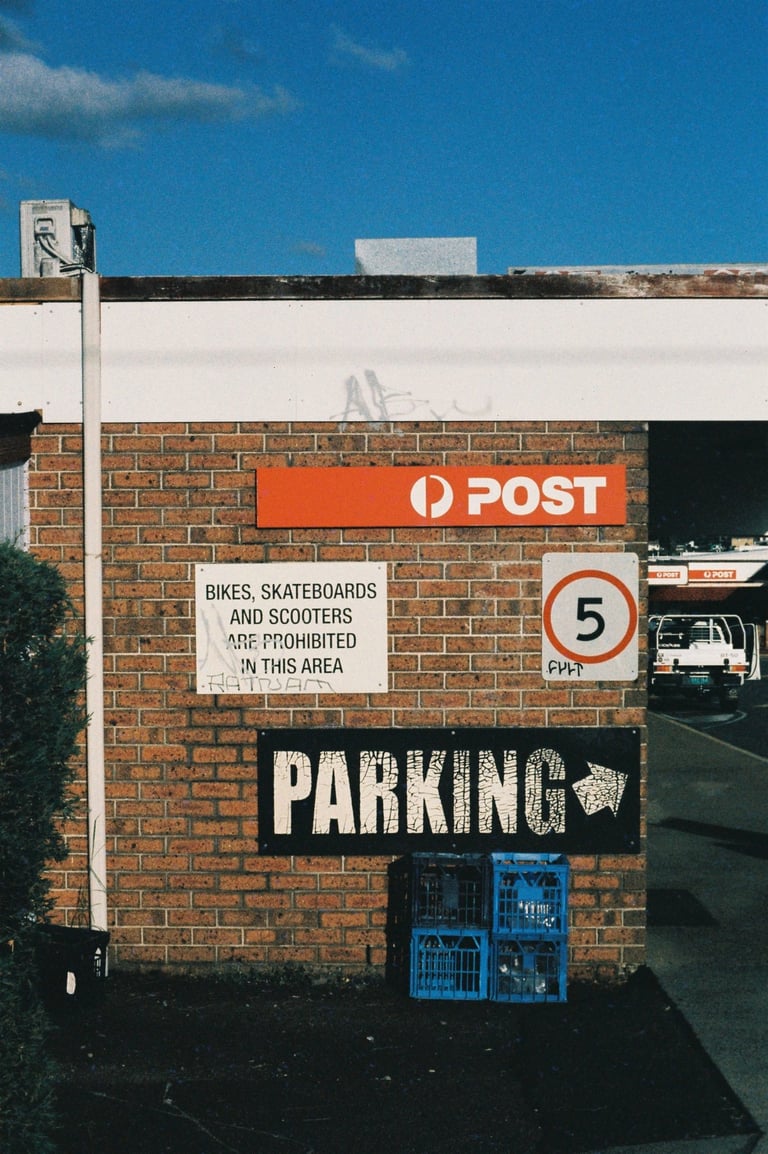
LomoChrome Classicolor 200
Minolta a9 + Minolta AF 50mm f1.4
Scan Fujifilm Frontier SP500


LomoChrome Classicolor 200
Minolta a9 + Minolta AF 50mm f1.4
Scan Fujifilm Frontier SP500


LomoChrome Classicolor 200
Minolta a9 + Minolta AF 28mm f2.8
Scan Fujifilm Frontier SP500
LomoChrome Classicolor 200
Minolta a9 + Minolta AF 50mm f1.4
Scan Fujifilm Frontier SP500
LomoChrome Classicolor 200
Minolta a9 + Minolta AF 50mm f1.4
Scan Fujifilm Frontier SP500
© Stankyleg Boating Company, 2025.